
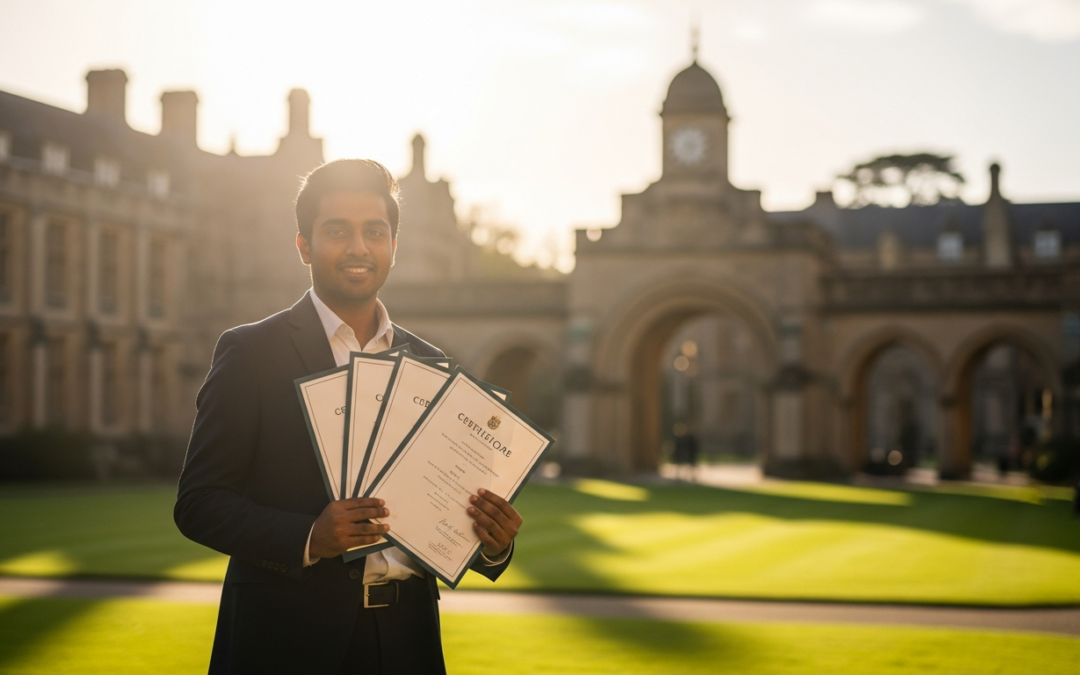
Student Readiness Platform: Convert Gaps to UK/Aus Degrees is essential for Indian scholars preparing for overseas education. This guide explains cgpa in practical steps.
Student Readiness Platform: Convert Gaps to UK/Aus Degrees matters for Indian scholars planning overseas education. This guide breaks it down step by step for clarity.
Student Readiness Platform: Convert Gaps to UK/Aus Degrees is a priority for Indian scholars preparing for overseas education. This guide explains it step by step.
Quick Overview
| Aspect | Details for Indian Scholars |
|---|---|
| Focus Area | Student Readiness Platform: Convert Gaps to UK/Aus Degrees |
| Relevant For | Indian scholars planning overseas education |
| Key Destinations | UK, USA, Canada, Australia, Germany, Ireland |
| Preparation Window | 12 to 18 months before intake |
| Uniassure Role | Academic gap resolution and destination readiness |
AI Summary
Student Readiness Platform Student Readiness Platform is your strategic ally for turning transcript interruptions into admission advantages for UK and Australian universities. Admission committees in the UK and Australia evaluate candidates holistically. A semester off, a postponed exam, or a non‑linear academic path can actually signal resilience, self‑awareness, and real‑world experience, qualities that many programs prize.
Student Readiness Platform Student Readiness Platform is your strategic ally for turning transcript interruptions into admission advantages for UK and Australian universities.
Why academic gaps are no longer deal‑breakers
Admission committees in the UK and Australia evaluate candidates holistically. A semester off, a postponed exam, or a non‑linear academic path can actually signal resilience, self‑awareness, and real‑world experience, qualities that many programs prize.
How the student readiness platform bridges academic gaps
The platform offers a three‑layer support system that reshapes your profile:
- Gap‑Analysis Dashboard: Upload your transcript; the tool flags missing credits, low grades, and timing issues, then suggests targeted remedial actions.
- Personalised Skill‑Boost Modules: Short, competency‑based courses (e.g., academic writing, research methods) that earn micro‑certificates you can attach to your application.
- Mentor‑Led Narrative Coaching: Experienced counselors help you craft a compelling personal statement that frames gaps as purposeful learning periods.
Practical Steps to use the Platform
Follow this roadmap to convert every gap into a point of differentiation:
- Map the Gap: Use the dashboard to identify exact months or subjects where performance dipped.
- Fill the Void: Enrol in a relevant micro‑course within 4‑6 weeks; earn a certificate and add it to your CV.
- Document the Story: Work with a mentor to write a concise paragraph that explains why the gap occurred and what you gained.
- Show Evidence: Include transcripts, certificates, and any project work completed during the gap period.
- Seek Endorsements: Obtain a recommendation from a professor or employer who observed your growth during the interval.
Strategic Academic Enhancements for UK & Australian Universities
Beyond filling gaps, the platform helps you boost the overall academic profile that UK and Australian admissions value.
- Research Experience: Join a virtual lab or assist a faculty member on a short‑term project.
- Leadership Roles: Lead a student club, community initiative, or online webinar series.
- Standardised Test Prep: Access tailored IELTS/TOEFL modules that improve language scores quickly.
Sample Timeline (12 Weeks)
| Week | Action | Outcome |
|---|---|---|
| 1‑2 | Upload transcript & run Gap‑Analysis | Clear list of focus areas |
| 3‑5 | Complete micro‑course & earn certificate | Add to CV |
| 6‑7 | Mentor session for narrative crafting | Draft personal statement |
| 8‑9 | Secure recommendation & compile evidence | Complete application packet |
| 10‑12 | Finalize applications & submit | Ready for UK/Aus offers |
Real‑World success stories (Without reusing original examples)
Riya, a commerce student from Delhi, missed her final year exams due to a family health crisis. Using the Student Readiness Platform, she completed a data‑analysis micro‑course, documented her caregiving experience as leadership, and secured a place at the University of Manchester.
Arun, from Bangalore, took a semester off for a tech internship. He used the platform’s mentor coaching to turn that internship into a research‑oriented project, earning a certificate that helped him gain admission to the University of Sydney.
Key Takeaways for Parents and Students
- Gaps are narrative opportunities, not disqualifiers.
- The Student Readiness Platform provides a structured, evidence‑based approach to fill and show those gaps.
- Combining micro‑certificates, mentorship, and strategic documentation creates a stronger, more authentic application.
By treating every interruption as a learning chapter, you position yourself as a proactive, resilient candidate, exactly the profile UK and Australian universities seek.
Next steps: Activate your readiness journey today
Ready to transform academic pauses into admission power? Visit the Student Readiness Platform, start your free gap analysis, and begin the step‑by‑step roadmap to an UK or Australian degree.
Read next
- Academic Gaps Won’t Stop UK Degrees | Uniassure
- Student Readiness Platform 2026: Your Complete Guide to Study Abroad Preparation
- Study Abroad Readiness: Beat Academic Gaps for UK & AU
Talk to a counsellor
Tell us the country and course you are aiming for and we will map out your eligibility, costs and timeline for the next intake.
By the Uniassure Editorial Team
Reviewed by the Uniassure counselling desk, which advises Indian students on overseas admissions.
Last updated: August 2026.
Reference: UK Government student visa guidance.